The Role of Illustration in Design
- May 19
- 1 min read
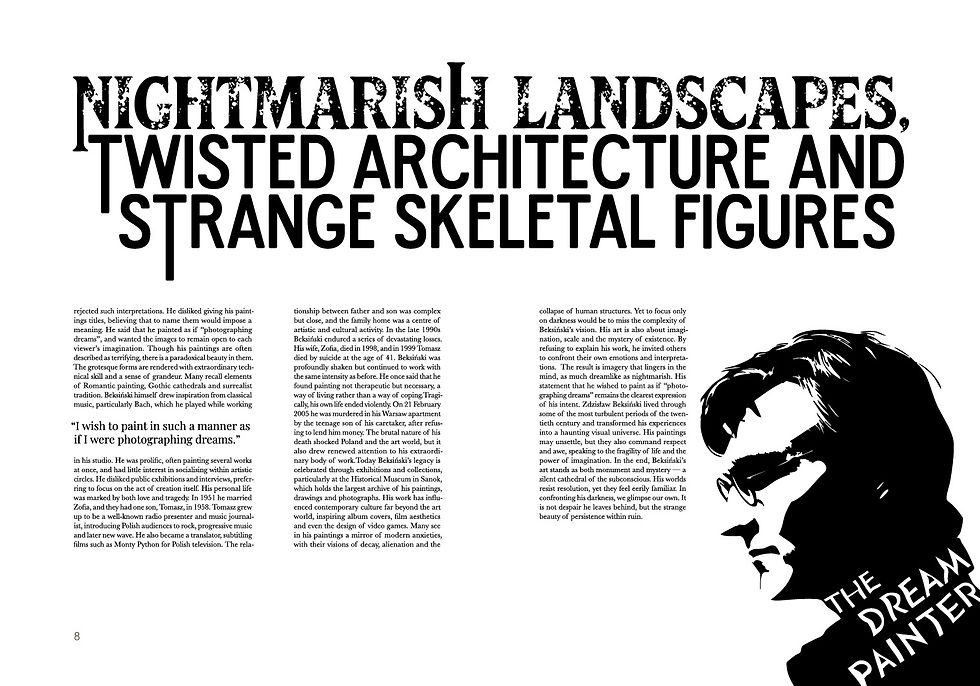
Illustration has become an increasingly important aspect of modern visual communication, particularly within branding, editorial design, advertising, and digital media. In an era dominated by social media and rapidly consumed content, illustration allows brands and designers to create highly distinctive visual identities that feel more personal, expressive, and memorable than generic stock imagery or AI generated garbage. Illustration can communicate tone, emotion, and personality quickly, making it an effective tool for audience engagement.

The growth of digital platforms such as Instagram and Behance has also enabled illustrators to build substantial audiences and personal brands online. This has contributed to a resurgence in highly stylised and recognisable illustration work across packaging, editorial campaigns, and social media branding. Many contemporary illustrators blend traditional drawing techniques with digital workflows using applications such as Adobe Illustrator and Procreate.
Illustration earns its place in UI when the product needs more than realism: clarity faster than copy can deliver, a distinct tone that photography struggles to maintain across dozens of screens, or a way to explain abstract ideas, soften dry moments, and build recognition without losing coherence.
As a developing designer, I find illustration particularly interesting because it demonstrates how visual style can become an integral part of a brand’s identity. It also highlights the growing importance of individuality and recognisable aesthetics within an era of increasing automation. While not essential for every project, an understanding of illustration can provide designers with greater creative flexibility and help differentiate their work within an increasingly competitive industry. It can also be an integral aspect of good UI design.


